BSL-1 | Basic Biosafety
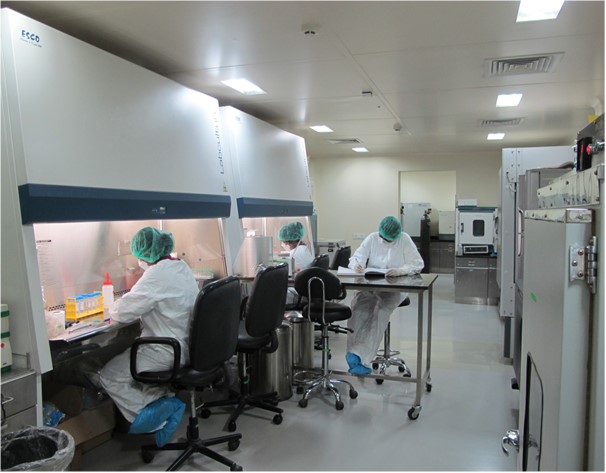
Designed for work involving well-characterised biological agents not known to consistently cause disease in healthy adults. A non-pathogenic laboratory strain of Escherichia coli (E. coli) is a common example.
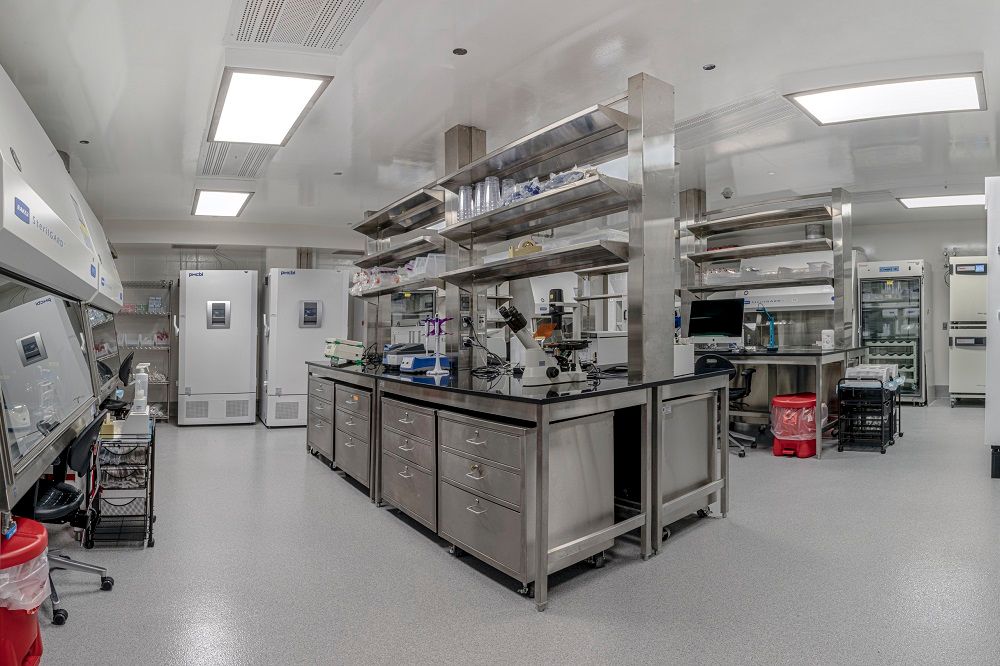
Saveer specialises in the planning and establishment of biosafety laboratories designed for research involving biological agents with different levels of risk. From basic laboratory environments to high-containment facilities, each laboratory is planned according to its intended use, risk assessment, applicable biosafety guidelines, and operational requirements.
Saveer supports infrastructure for four biosafety levels BSL-1, BSL-2, BSL-3, and BSL-4 with facility design and containment provisions tailored to the specific requirements of each level.
Designed for work involving well-characterised biological agents not known to consistently cause disease in healthy adults. A non-pathogenic laboratory strain of Escherichia coli (E. coli) is a common example.
Suitable for work involving biological agents associated with human disease and for which established laboratory precautions are required. Staphylococcus aureus is an example of an organism that may be handled at BSL-2, depending on the strain and the work being performed.
Designed for work involving agents that can cause serious or potentially lethal disease, particularly through inhalation. Mycobacterium tuberculosis, the bacterium responsible for tuberculosis, is a representative example.
Intended for specialised research involving dangerous and often life-threatening agents that pose a high risk of serious disease and may require maximum containment. Ebola and Marburg viruses are examples of agents associated with BSL-4 research.
The appropriate biosafety level depends on the agent, the procedures being performed, the route of exposure, and the relevant risk assessment and regulations.
Laboratory infrastructure is planned according to the biological risks, research activities, and required level of containment.
Supports the environmental and operational controls required for the intended laboratory activities.
Where required by the laboratory design, appropriate ventilation and high-efficiency particulate air (HEPA) filtration systems support containment and air-quality management.
Higher-containment facilities may incorporate controlled access, specialised room construction, and engineered systems to support containment requirements.
Facility planning can include provisions for decontamination, waste handling, and appropriate entry and exit procedures based on the biosafety level.
Design considerations vary from basic laboratory practices at BSL-1 to specialised engineering controls and enhanced containment provisions at higher biosafety levels.
Appropriate containment measures help reduce the risk of exposure to biological agents.
Supports laboratory work under defined biosafety and operational conditions.
Properly designed ventilation and filtration systems can help manage airborne hazards where required.
Supports safe working practices through suitable infrastructure, procedures, and access controls.
Enables laboratory configurations to be aligned with the intended research and applicable biosafety requirements.
Biosafety laboratories are designed to protect laboratory personnel, the surrounding environment, and the wider community from potential exposure to biological agents. The level of containment required depends on the characteristics of the agent, the nature of the research, and the procedures involved.
At lower biosafety levels, protection may rely primarily on standard microbiological practices, appropriate laboratory design, and primary containment equipment such as a biological safety cabinet when required. Higher biosafety levels demand progressively more stringent controls, which may include specialised ventilation, controlled access, sealed containment areas, decontamination systems, and additional engineering safeguards.
Saveer plans biosafety laboratory infrastructure around the intended application, facility layout, equipment requirements, and applicable regulatory guidance. The design of higher-containment laboratories requires careful coordination of architectural, mechanical, electrical, and specialised biosafety systems.
For facilities requiring advanced containment, provisions such as dedicated ventilation systems, HEPA filtration, pressure-control strategies, decontamination arrangements, and specialised personnel-protection systems must be selected according to the approved design and risk assessment. Positive-pressure suits are used in specific BSL-4 facility designs, rather than being a universal requirement across all biosafety levels.
Through project-specific planning and technical coordination, Saveer supports the development of laboratory infrastructure aligned with research objectives and the required biosafety framework.
Explore Saveer’s Biosafety Laboratory Solutions.