Prevention of Transgenic Seed Release
Designed to support measures that minimise the unintended release of transgenic seeds into the surrounding environment.
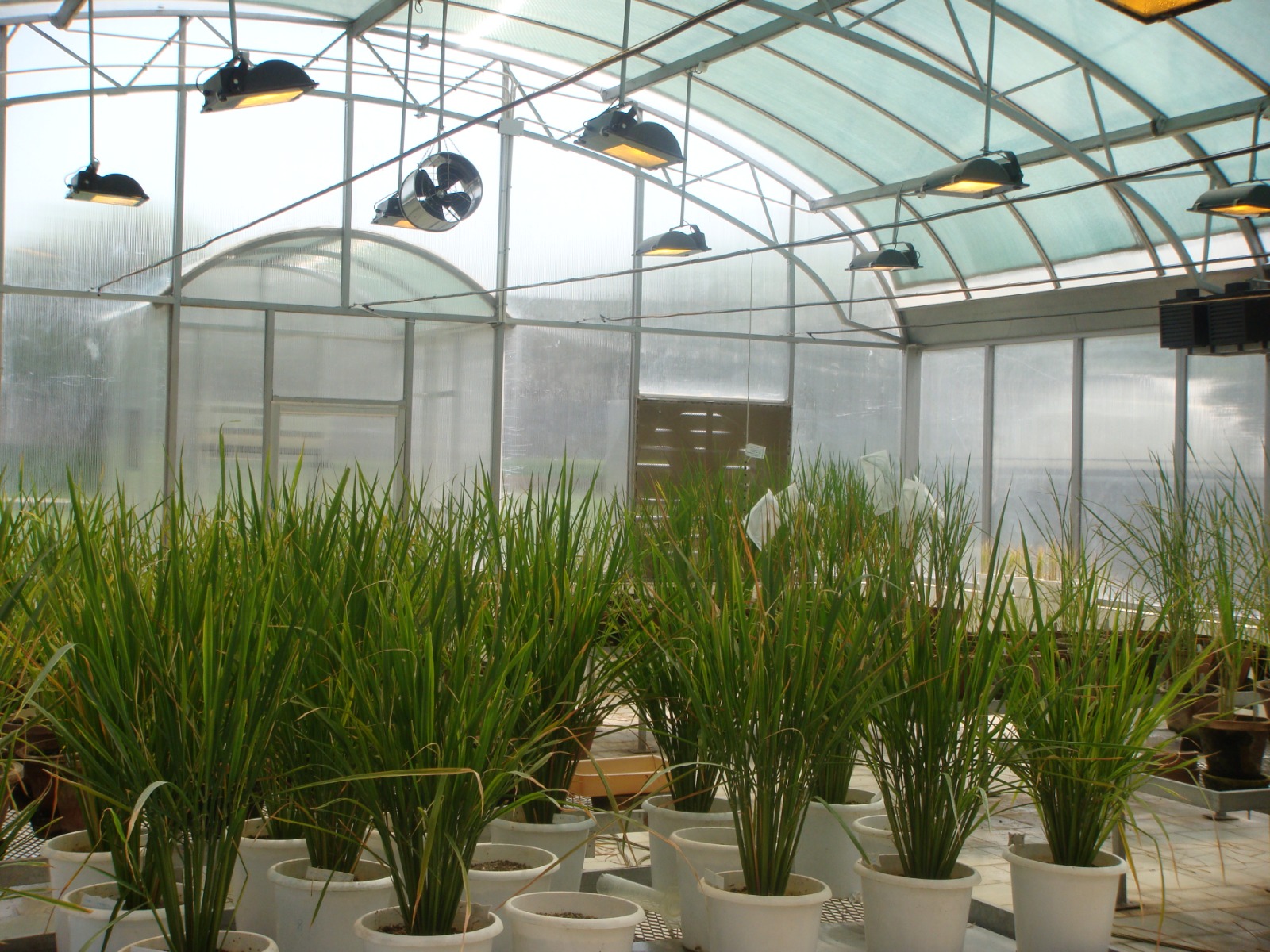
Saveer’s Containment / Transgenic Greenhouses are designed to support research involving genetically modified and transgenic plants within a controlled growing environment. The primary objective is to minimise the unintended release or dissemination of experimental plant material beyond the designated research area.
The level of containment is determined by the biosafety requirements of the research, the nature of the materials being handled, and the applicable regulatory guidelines. Each facility can be planned according to project objectives, site conditions, and the required level of confinement.
Designed to support measures that minimise the unintended release of transgenic seeds into the surrounding environment.
Supports containment measures intended to reduce the risk of unintended cross-pollination or interbreeding with compatible plants outside the facility.
Facilitates controlled handling, storage, and movement of transgenic seeds and plant materials in accordance with established procedures.
Incorporates facility design considerations to minimise the unintended dissemination of genetically modified plant material.
Provides a managed growing environment for research on plant development, genetic traits, and plant responses under defined conditions.
Can incorporate containment features based on the risk assessment, applicable biosafety requirements, and project-specific specifications.
Containment / Transgenic Greenhouses support research into the development and evaluation of plants with targeted characteristics, including:
Research into improved agronomic and plant performance characteristics.
Evaluation of genetic traits associated with resistance to selected pests and diseases.
Research on plant responses to specific herbicides.
Studies involving environmental stresses such as drought, heat, or salinity.
Research involving plants engineered to express specific proteins.
Investigation of genetic approaches to improve nutrient composition and food quality.
These are potential research applications; outcomes depend on the plant material, research objectives, and experimental results.
Containment is a critical consideration in transgenic plant research, where experimental materials must be managed according to the biosafety risks associated with the work. The required level of confinement depends on the research being conducted and the applicable national and international requirements.
Saveer designs and develops transgenic greenhouse facilities with consideration for the required containment level, local environmental conditions, and user specifications. Structural planning can account for factors such as wind loads, rainfall, snow loads where applicable, and site-specific requirements.
Facility design may incorporate appropriate access controls, screening, environmental management, and other containment measures as determined by the project’s biosafety assessment. These features are planned in accordance with the applicable requirements rather than applied as a one-size-fits-all solution.
Saveer’s technical team supports facility planning and design to help research organisations establish suitable infrastructure for transgenic plant studies. From site-specific structural considerations to project-defined containment needs, each facility is developed around the intended research application and operational requirements.
Explore Saveer’s Containment Greenhouse Solutions for Plant Biotechnology Research.